01The short answer
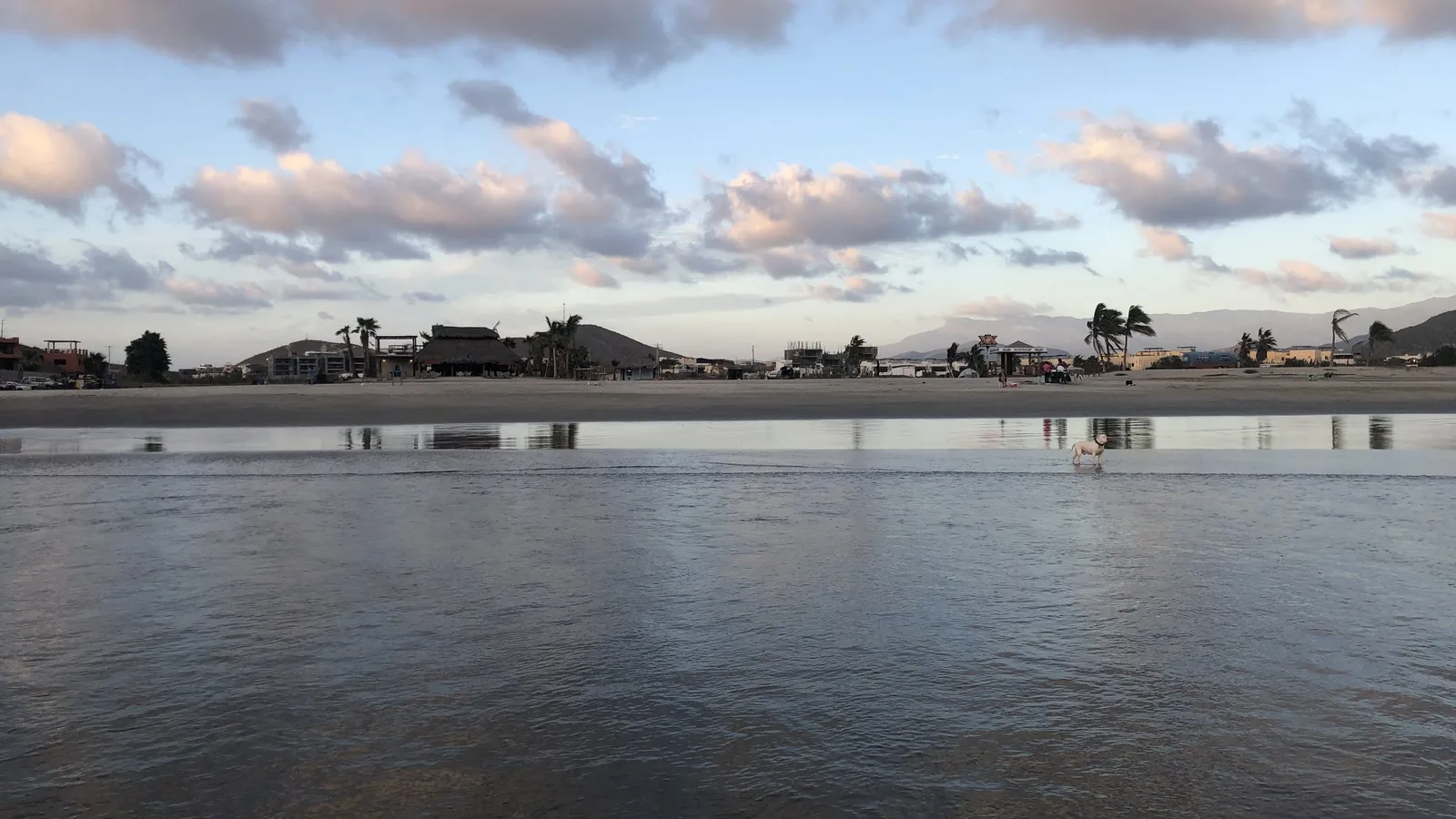
Swim at Cerritos. Surf everywhere, by season. Walk the rest. The corridor has one reliably swimmable beach and a dozen gorgeous ones, and knowing which is which is the single most useful piece of local knowledge we can hand you.
I surf and play beach volleyball on this coast year-round, so this list comes from the water, and from watching a decade of visitors learn these lessons in real time. The ocean section of our safety guide covers the rip-current basics; this is the beach-by-beach version.
02Read this first: how this coast works
This is open Pacific. The beaches face thousands of miles of fetch, most have a steep shore break and strong rips, and there's no signage system telling you which ones are safe. The crashing tells you. So do surfers, who will give you an honest read on any beach if you ask.
Three habits cover almost everything: swim at Cerritos and do not assume anyone is watching, never turn your back on the shore break, and if a rip takes you, swim parallel to the beach until you're out of it, then in. Waist-deep water here has humbled a lot of confident swimmers.
There is no flag system on this coast
No Norma Oficial Mexicana governs beach warning flags in Mexico, so they are set municipality by municipality. Todos Santos and El Pescadero are La Paz delegations, not Los Cabos, and the flag scheme, daily reports, and trained guardavidas you may have read about belong to Los Cabos. Where you do see flags on this coast, note that purple means harmful marine life rather than surf, and black is a closure ranking above red, both inverted from the convention American readers know. At least five people drowned at Todos Santos beaches in 2026 (El Sudcaliforniano, 30 July 2026). Swim at your own risk here, and assume the person who helps you will be a surfer or a stranger on the sand. Checked August 2026.
03Playa Los Cerritos: the everything beach
Full break guide: Surfing Cerritos →
The corridor's crowd-pleaser, about 12 mi / 19 km south of Todos Santos. A curved, sand-bottom bay that takes the edge off the swell, surf schools, board rentals, and beach bars for afterwards. There is a lifeguard tower near the point by Barracudas; it is not always staffed and posts no hours (checked August 2026). If someone in your group wants to actually get IN the ocean, this is the beach.
Swimming: yes, near the tower, with normal ocean sense. Rips still form when swell picks up. Surfing: the best learning wave on this coast, and fun for everyone on the right day. Crowd: the most developed and busiest beach here, especially in high season, which is exactly the tradeoff that makes it swimmable and serviced.
Go early. Glassy morning water, easier parking, and the surf schools haven't filled the peak yet. Wind typically comes up midday. And leave nothing visible in your car; the parking lot is the one place on this coast where opportunists shop.
04San Pedrito: the surfer's point
Full break guide: San Pedrito →
A few minutes north of Cerritos, off the Pescadero stretch: a rocky right point over cobblestone that's one of the best-known waves in Baja Sur. When a winter northwest swell arrives, this is where the good surfers in the lineup at Cerritos disappear to.
Swimming: skip it; rocks, current, and consequence. Surfing: intermediate and up. It's a real wave with a real local crew, so bring lineup manners. Everyone else: a beautiful beach to walk, and watching a good day from the sand is legitimate entertainment.
05Punta Lobos: the working beach
South of Todos Santos, this is where the fishing fleet lives. Pangas launch and land straight through the surf (a genuinely impressive maneuver), and in the afternoon you can buy fish off the boats that caught it that morning. The point shelters a sea lion colony; "lobos" is for lobos marinos.
Swimming: people wade here because it looks calmer, but boats are threading the same water, the bottom drops fast, and there's no lifeguard. Watch, walk, buy fish. The hike: the trail over the point to the old lighthouse area is one of the corridor's best short walks, with whales below you in season.
06The town beaches: La Cachora & Las Playitas
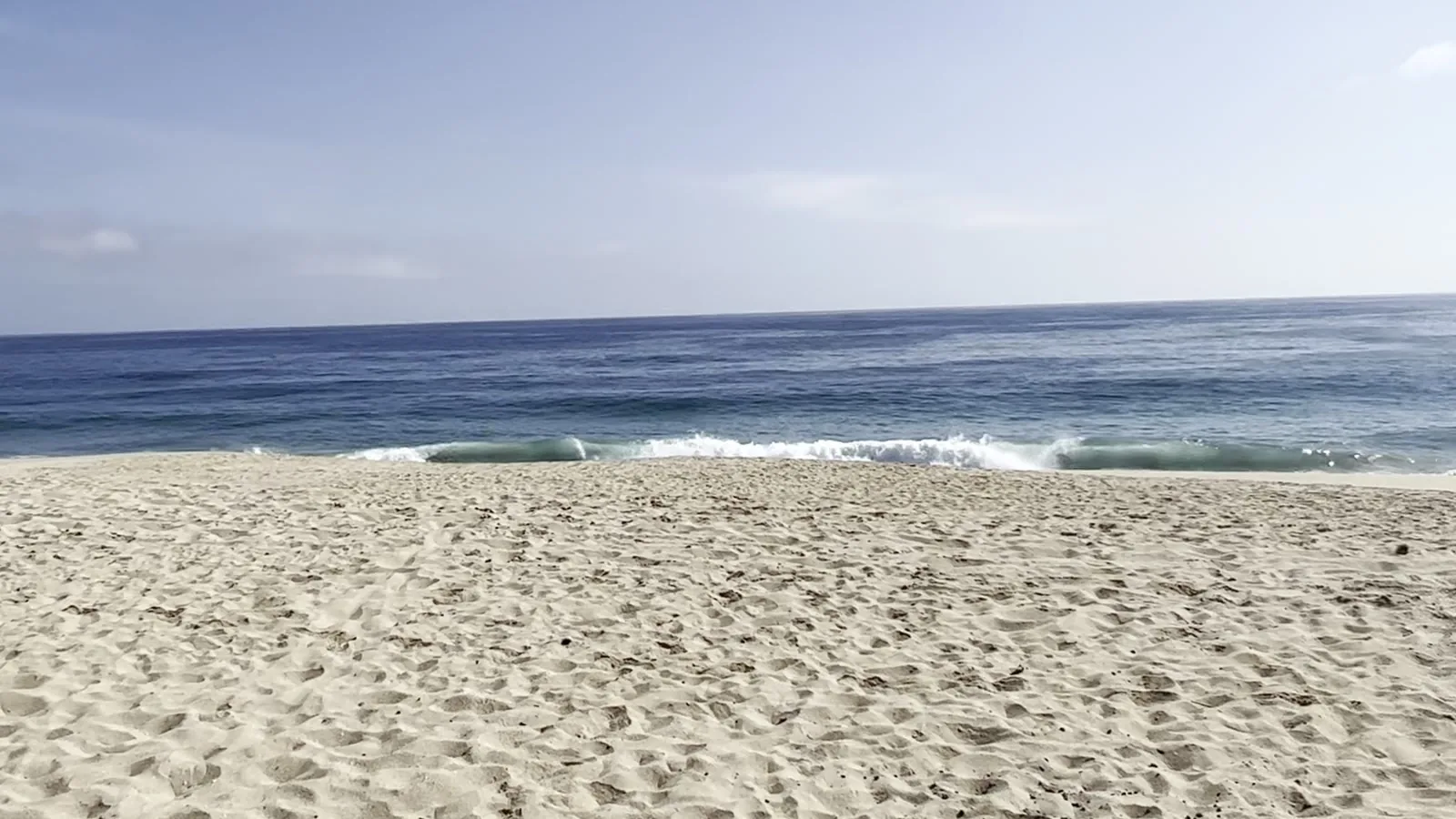
Ten minutes from the plaza down dusty roads: La Cachora and, further north, Las Playitas. Huge, wild, and usually near-empty. The shore break is heavy and the rips are serious, so these are walking beaches, sunset beaches, and (at Las Playitas in season) the beaches where hatchling sea turtles get released around sunset, roughly December through March. Bring kids for that one; nobody forgets it.
This stretch is also where the corridor's dramatic real estate hides: the Las Tunas area behind these beaches has grown from secluded surf shacks into one of the area's most desirable home zones, something we cover from the property side.
07La Pastora: the winter wave
Full break guide: La Pastora →
North of Las Playitas, at the end of the dirt road: a long right point that turns on with winter northwest swells and holds size that would close out everything else. Experienced surfers only when it's doing its thing; a windswept, beautiful walk the rest of the time. If you surf at that level you already know about it, which is the polite way of saying it isn't a place to learn.
08Surf, by season
| Season | Swell | Where it's good | Water |
|---|---|---|---|
| Dec – Mar | NW groundswells | La Pastora, San Pedrito, points firing | Cool · light suit |
| Apr – Jun | Mixed, smaller | Cerritos, mellow point days | 68°F+ · coolest |
| Jul – Oct | S swells, storm pulses | Cerritos, beach breaks | Up to 84°F · trunks |
| Nov | Transition | A little of everything | Warm, emptying out |
Water temperature swings more than visitors expect: roughly 68°F / 20°C at the late-spring low to 84°F / 29°C in September (details in the weather guide). There's a rideable wave somewhere in the corridor essentially every day of the year, which is a sentence very few coastlines can print honestly.
If the tide chart doesn’t load here, any tide app set to Todos Santos will do. Tides decide more than visitors expect: the Punta Lobos walk, the width of the sand at La Cachora, and which sandbars work at Cerritos.
09The free show: whales & turtles
From roughly December through April, humpbacks and gray whales work this coast close enough to watch from your beach towel; breaches from the sand are a weekly event in peak season, and the Punta Lobos headland is the best amphitheater. Serious whale encounters (the famous friendly grays) run out of Magdalena Bay, about 3 hours north, and are worth the overnight.
The turtle program at Las Playitas releases hatchlings in season, sunset-ish, December through March. Volunteers run it, donations keep it alive, and it's the single best free family activity in the corridor.
10Quick answers
Which beach for families with small kids? Cerritos, near the tower, on a small-swell morning. Everywhere else, kids play in the sand, above the wet line.
Do I need a 4x4 to reach the beaches? Cerritos and Punta Lobos, no. La Pastora and parts of Las Playitas involve dirt roads that get sketchy after rain; an SUV earns its keep.
Are the beaches crowded? Cerritos on a holiday weekend, yes. Everywhere else you can still find a mile of sand with nobody on it, which is half the reason we live here.
Surfboard rentals and lessons? At Cerritos, several operations right on the sand. Decent boards, fair prices, and instructors who know the bank that week.
Nude or topless beaches? No. Small-town Mexico; keep it family standard.
Curtis brokers real estate through Selling Sur in the Todos Santos–Pescadero–Cerritos corridor, and lives in Pescadero, at San Pedrito Beach. He doesn't sell a fantasy; he sells information so you can make a smart call, including the call that Baja isn't right for you.